Clear
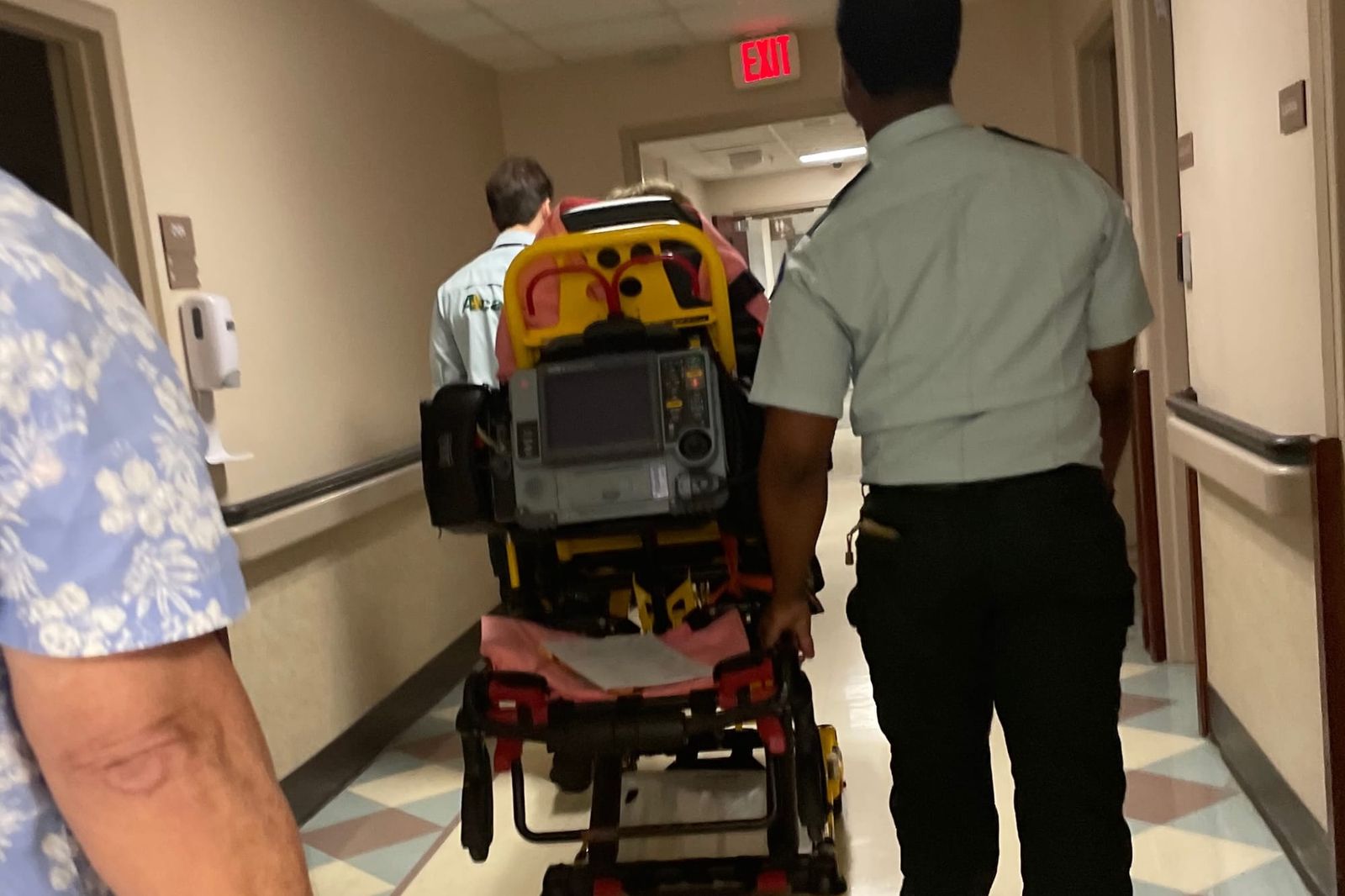
One of the most memorable images I ever encountered in a 12-step recovery meeting had nothing to do with addiction.
It had to do with a defibrillator.
If you’ve ever watched a medical drama, you’ve seen the scene. A patient is lying on the table while the medical team prepares to shock the heart.
The paddles are charged. Everyone steps back. And the doctor shouts one word:
“Clear!”
There is a reason for that command. If someone still has their hands on the patient when the shock is delivered, the treatment intended to save one life can injure two. That story has stayed with me because I am not, by nature, someone who gets clear.
I am much more inclined to try to help.
What I’ve come to understand—little by little—is that you cannot learn lessons on someone else’s behalf. You cannot heal, recover, or grow for someone else. When we try, we often interrupt the very process that might save them.
My mother understood this long before I did.
My brother had skipped school. As soon as my mother was notified she called the principal.
“If my son comes in with a note tomorrow,” she said, “I didn’t write it.”
Then she said nothing. Least of all to my brother. She simply waited.
The next morning my brother walked confidently into the school office with a forged excuse note in his hand. The principal looked at him.
“Come on in here, son. I need to talk to you. Your mother called yesterday. She said if you came in with a note… she didn’t write it.”
Well… What could he say?
Nothing.
If memory serves, the consequence was about a month of detention. Every afternoon he stayed after school cleaning classrooms and hallways while his friends played soccer. He was furious. When he got home he confronted my mother.
“I can’t believe you did that to me!”
Without missing a beat she answered.
“I can’t believe you lied to me.”
Again… What could he say?
Nothing.
My mother didn’t punish him. She simply got clear and refused to stand between him and a lesson he needed to learn. Had she written the note, argued with the principal, or tried to rescue him from the consequences, she might have delayed a lesson that would serve him for the rest of his life.
Love doesn’t always feel like helping.
Sometimes love looks like stepping aside and trusting that consequences can accomplish what lectures never will.
I don’t pretend that this is easy. Standing back while someone you love experiences consequences can feel almost physically wrong. Everything in me has shouted to reach in, soften the blow, explain, fix, rescue.
It is true that stepping back doesn’t always produce the outcome you hope for. People do not always learn the lesson. Hearts do not always return to rhythm. But there are things that detachment can accomplish that helping cannot.
When someone’s heart is out of rhythm, don’t cling tighter.
Step back.
Let the shock come.
Clear.