They Only Do It Once
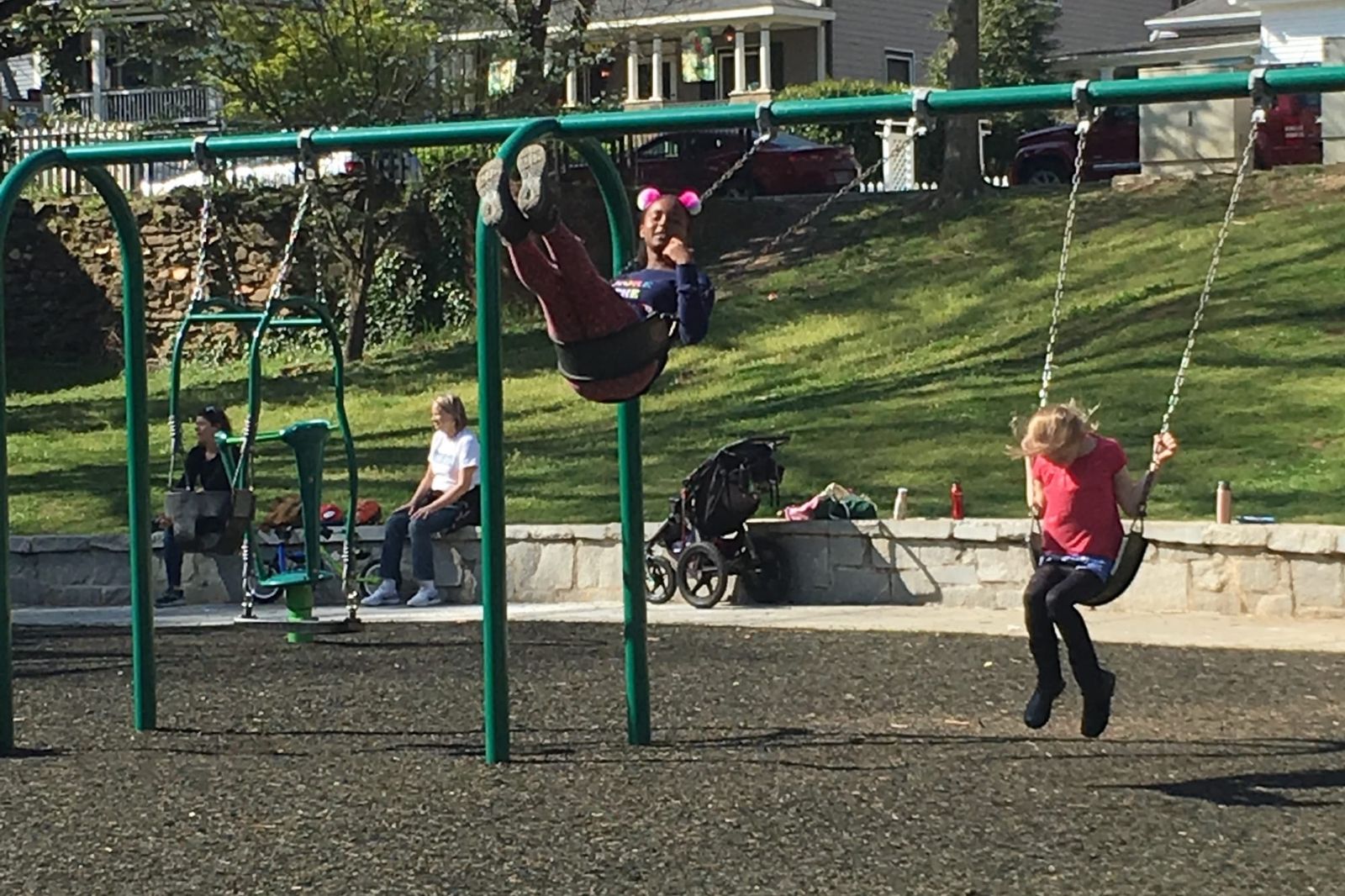
Years ago, my mother’s best friend Ms. Liz, a preschool teacher, was supervising a group of children when another adult asked:
“Aren’t you going to tell them not to walk in front of the swings?”
She looked up and replied laconically, “Why? They only do it once.”
That answer always hit home and made me laugh. A child who wanders into the path of a moving swing receives a remarkably effective lesson in physics. The feedback is immediate. The message is clear. No follow-up is required.
Fortunately life is full of self-correcting activities. Touching a hot stove. Ignoring deadlines. Driving too fast on an icy road. Spending more money than you earn. Unfortunately, it is not always a gentle teacher.
I was reminded of this when my children were young. Unlike many parents, I gave them glass cups instead of plastic ones. Friends thought I was crazy. Children break things.
Of course they do. That’s why I bought the glasses at IKEA for about a dollar apiece. If one broke, it wasn’t the end of the world. We swept it up, threw it away, and moved on. But the glass taught something important.
Glass doesn’t bounce.
Plastic allows carelessness to continue indefinitely because the consequence never arrives. Glass provides immediate feedback.
A child learns that actions have consequences. That objects can be damaged. That paying attention matters. Most importantly, they learn these lessons when the cost of learning is a one-dollar drinking glass.
That’s a bargain.
Life is full of lessons that become more expensive the longer we postpone them.
A friend once said, “A parent who does not discipline their child does not love their child.”
The word tends to conjure images of punishment, restrictions, and uncomfortable conversations. But discipline and disciple come from the same root.
A disciple is a student. A learner. Someone who is willing to be taught. At its heart, discipline isn’t about punishment. It’s about formation.
When Christ called the disciples, He wasn’t recruiting people to be punished. He was teaching them. Correcting them. Challenging them. Redirecting them. He loved them enough not to leave them exactly as He found them. That’s discipline in its original sense. The goal isn’t pain. The goal is growth, and it is at its heart an expression of love.
Love occasionally says no.
Love corrects.
Love allows frustration.
Love is willing to risk being misunderstood in the short term for the sake of someone’s long-term well-being.
A parent teaches responsibility before debt collectors do.
A coach teaches discipline before failure does.
A teacher teaches preparation before consequences do.
A sponsor teaches honesty before addiction does.
The lesson arrives either way. The only question is who delivers it and, if you are lucky, while the tuition is still affordable.
Because if we refuse to teach them, reality eventually will.
And reality is many things.
Patient is not one of them.
The world disciplines all of us eventually.
Gravity doesn’t care whether we believe in it.
Debt doesn’t care whether we understand compound interest.
Consequences don’t care about our intentions.
The world is an effective teacher. But it does not love us.
A parent does.
A mentor does.
A coach does.
A friend does.
Which is why correction from people who love us is often a gift, even when it doesn’t feel like one.
The same thing is true in our own lives.
Self-discipline is simply choosing to become your own teacher before reality volunteers for the job.
Every time we keep a promise we’d rather break, tell the truth when a lie would be easier, or do the difficult thing we know is right, we are participating in the same process.
We become students.
Disciples.
People willing to be taught.
Ms. Liz was right. Most children only walk in front of the swings once. The fortunate ones learn the lesson from a bump on the head, a hug and kiss and an emotional support Band-Aid.
Which is why the people who love us try to teach us before the world takes its turn.